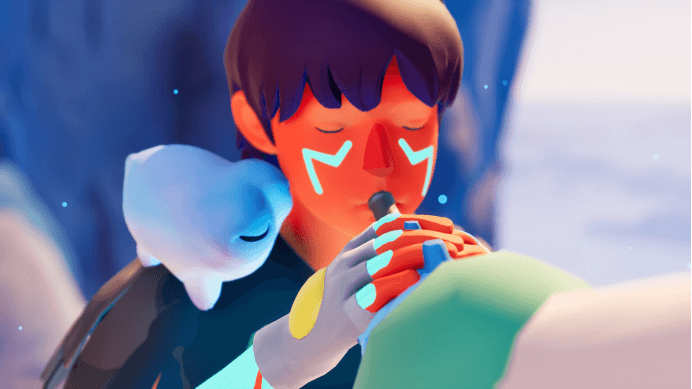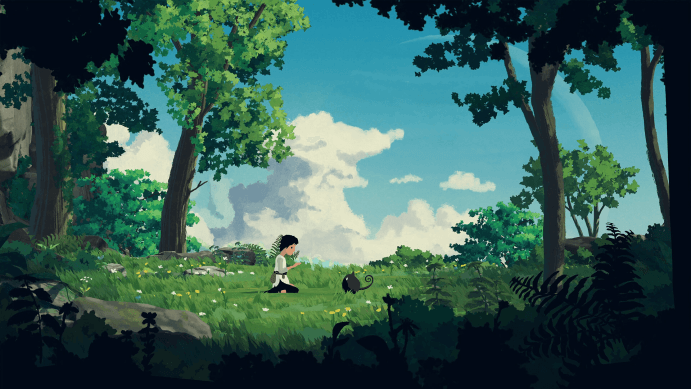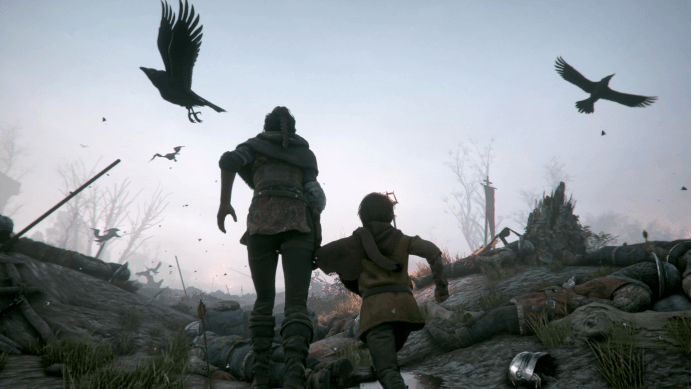


When I dived between the coral reefs of _Sea of Stars_ and watched the sunlight cast dynamic light spots on the pixel corals through the water, I went back to the teenage years when I marveled at the CRT display thirty years ago. But when I triggered the “connection skill”, I needed to accurately enter the combination command, and I was instantly pulled back to modern times — this game used the most advanced technology to revive the most moving soul of RPG in the golden age.
The opening of the game is like opening a yellowed fairy tale book. 16-bit-style pixel characters run in a world of fully dynamic lighting. Each bush casts shadows in real time, and the splashes of the waterfall will reflect a rainbow-like halo. The two “Children of the Solstice” I controlled woke up on the beach, but the traditional turn-based battle was reborn because of the “timing judgment” system - pressing the confirmation button at the moment of attack can increase the damage, and pressing the defense key when the enemy attacks can reduce the damage, which makes every battle full of interactive fun.
The most amazing thing is its modern reconstruction of classic elements. The traditional “mine-stepping” random encounters have been canceled, and all monsters are displayed on the map. When I found that I could bypass them by jumping, the pleasure of free exploration instantly dispelled the irritability of the past RPG. And the cooking system is no longer a cold menu operation. We need to turn over the grilled fish by the bonfire and watch the grease drops splashing out of the fire.
The “connection skills” system in the game can be called a godsen. When the energy slots of the two protagonists are full, they can launch fusion skills that require quick input instructions. Once in the face of a giant swamp monster, I successfully entered a perfect series of attacks at the last moment. I watched the two of them jump into the air to summon the sun beam. The pleasure of connecting with my teammates’ hearts was far more shocking than any cool special effects.
World design has broken the limitations of pixel games. When I sailed between the sea of clouds in a sailboat, I watched the pixel-style clouds flow on both sides of the hull; when I dived into the deep sea and witnessed the glowing jellyfish slowly rotating like a living galaxy — these scenes made me understand that pixel art is not a limitation of technology, but an aesthetic choice.
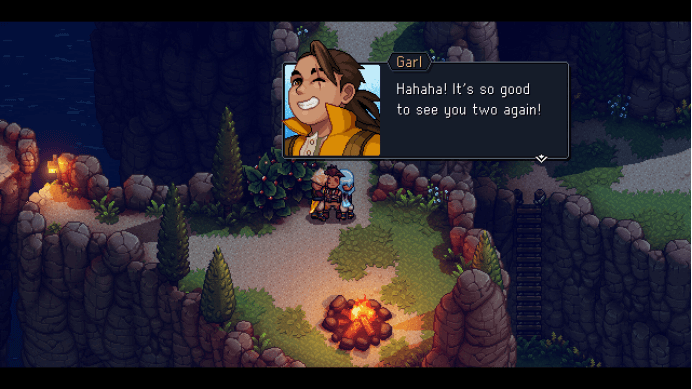
What touches me most is its inheritance and innovation of the traditional RPG spirit. There is no endless brush level, and the puzzle solving depends on observation and wisdom; there is no one-way plot indoctrination, and each NPC has its own life. I remember that there was a branch line that needed to help the old fisherman repair the fishing boat. When he finally set sail, I found that what I got was not experience, but moist eyes.
Late at night after customs clearance, I turned out the old SFC simulator, but found that after experiencing _Sea of Stars_, I could never go back. Just like people who have seen the real Mona Lisa, they will no longer be satisfied with printed matter. This game made me understand that what we miss is not the games in the past, but the original intention when we played the game.
If you have also been moved by the time travel of _Chrono Trigger_ and shed tears for the opera of _FINAL FANTASY VI_, _Sea of Stars_ will take you to relive those good times. But it gives not only nostalgia, but also a definite proof that classics will never fade, and will only shine brighter in the technology of the new era. After all, the real legend is not reproduced, but inherited.